

Dress codes & occasions
What to wear to a job interview
Less is more. The interviewer should remember what you said, not what you wore.
Less is more. The interviewer should remember what you said, not what you wore.
The code in brief
- the suit
- Navy or charcoal
- the tie: navy, wine or mid blue
- Plain or quiet
- the tie width for most men
- About 8cm
- one interesting thing at most
- Less is more
The suit
A dark suit — navy or charcoal — is right for almost any interview. Navy is the friendlier of the two, charcoal the more formal, and both take any sensible tie. Leave black for evenings and funerals, and leave bold checks and shiny cloth at home; they ask questions you don’t want asked.
Fit matters more than price. The jacket should sit flat across the shoulders and button without pulling, the sleeve should show a little shirt cuff, and the trousers should rest lightly on the shoe. If the suit has been in the wardrobe for a while, have it pressed.
No suit yet? A navy blazer, grey trousers and a tie will see you through most first interviews. Buy the suit with your first pay.
Wear a white or pale blue shirt, ironed, with a collar that closes comfortably. A tight collar makes a man look uncomfortable, and an interview is uncomfortable enough.
The tie
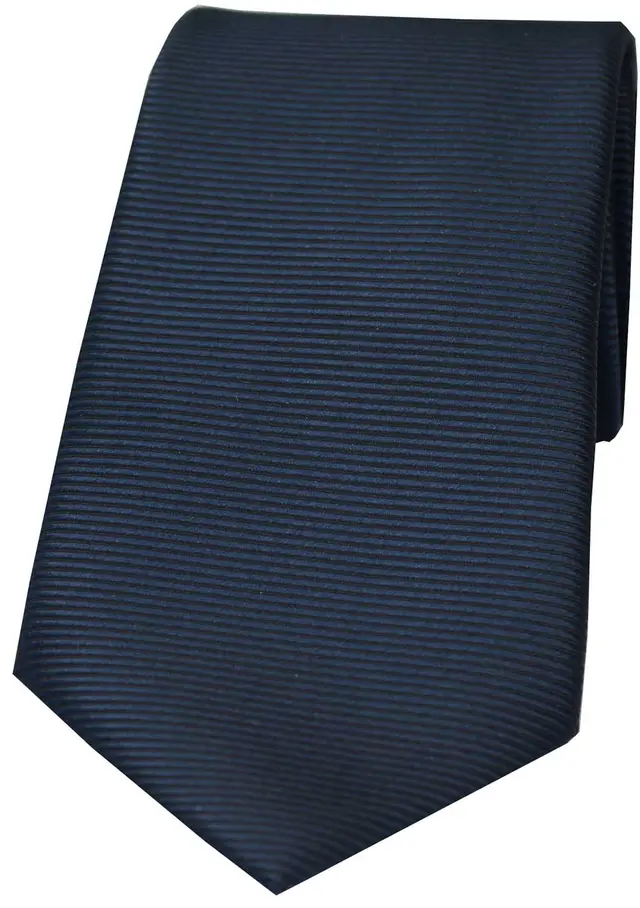
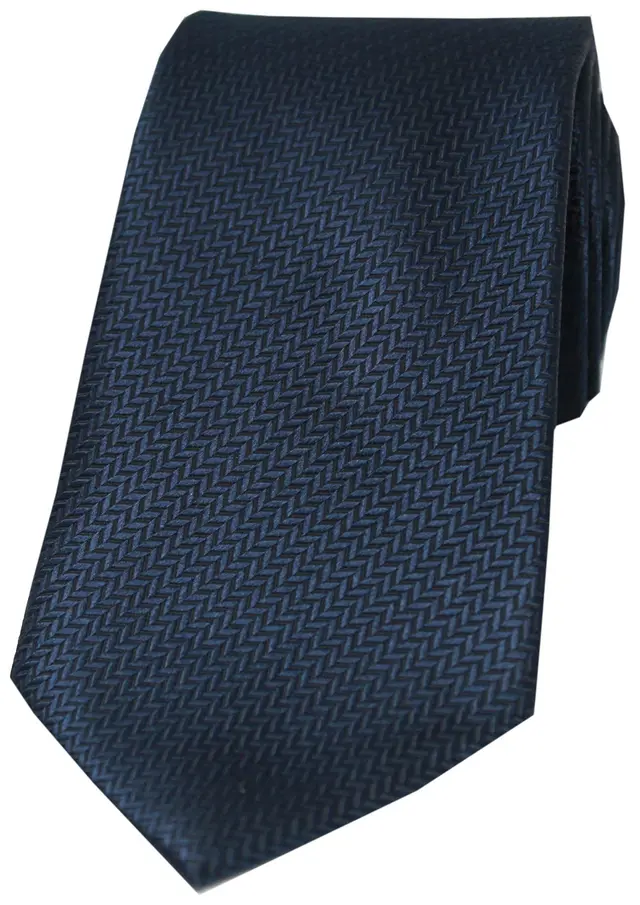
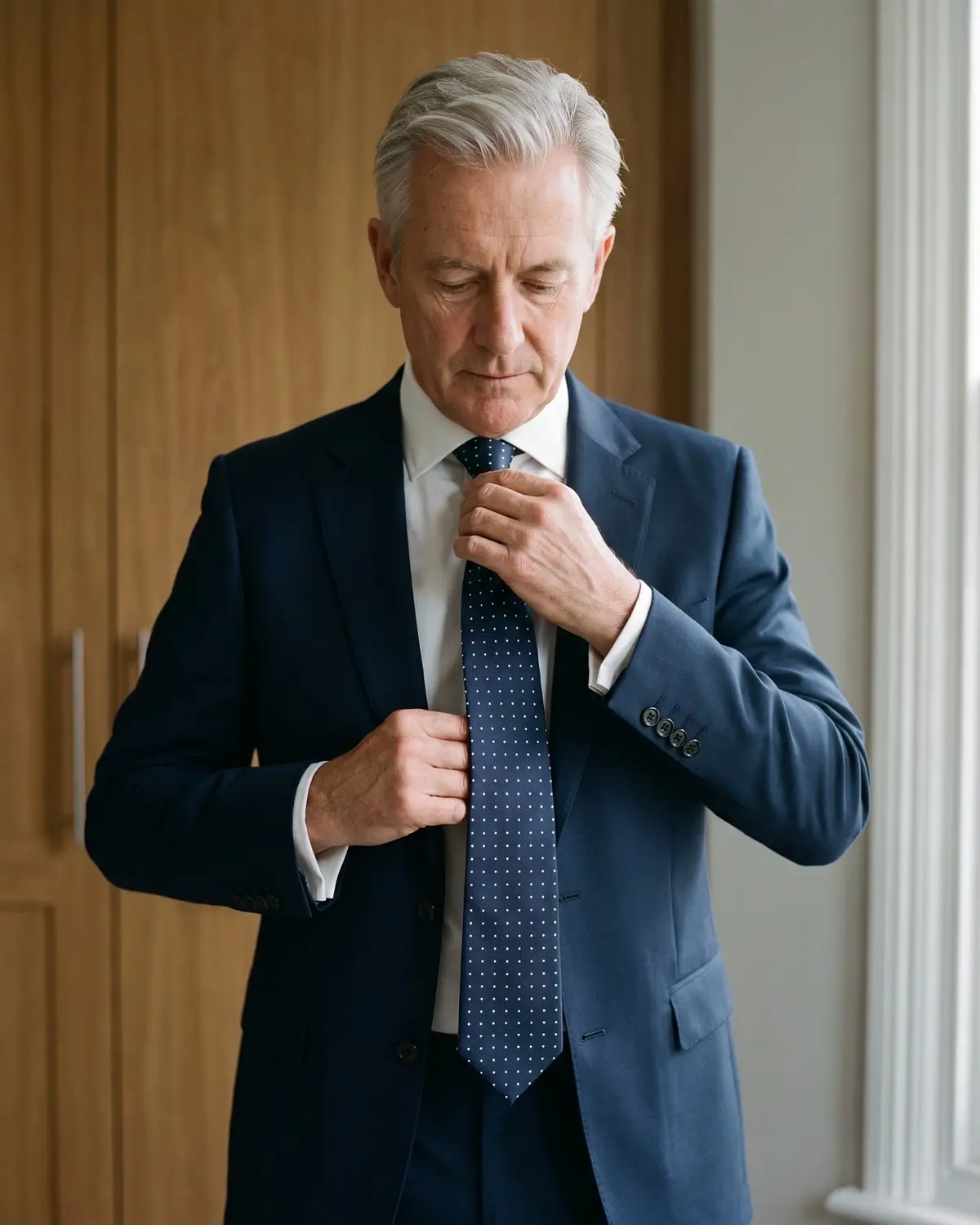
Choose a plain silk tie or a quiet pattern: a small polka dot, a neat geometric, a fine stripe, or a woven texture such as a navy herringbone. Navy, wine and mid blue are the classic interview colours — serious without being sombre. Silk holds a neat knot and a dimple better than most cloths.
Avoid black, which looks like a funeral; very bright colours, which look like a sales pitch; and anything novelty, which looks like a joke at your own expense.
Navy
- Tie colours
- Wine, mid blue, silver, gold
- Patterns
- Plain, small dots, neat
Charcoal
- Tie colours
- Wine, blue, silver
- Patterns
- Plain, herringbone, fine stripes
Mid grey
- Tie colours
- Navy, wine, blue
- Patterns
- Plain, neat, fine stripes

Width, length and the knot
A tie about 8cm wide suits most suits and most men; a slim tie of around 6cm suits a slim-cut suit with narrow lapels. The tip should touch the top of the waistband — not above it, and not over the buckle. See the tie width and length guide.
Tie a four-in-hand for a point collar, or a half Windsor for a semi-spread one. Pull the knot right up to the collar, with a dimple beneath it, and check it in a mirror before you go in.
Pocket square, cufflinks and tie bar
A pocket square is optional. If you wear one, plain white silk or cotton folded flat is quiet and correct. Save the puffed paisley for the leaving party.
Plain silver cufflinks if your shirt has double cuffs. A plain tie bar if you like one, worn between the third and fourth buttons and never wider than the tie. Keep other jewellery to a watch and a wedding ring. Nothing that tells a story.
The rule is less is more. One interesting thing at most, and preferably none — you want to be remembered for your answers.
When the company is casual
Many firms now work in open collars, and some will tell you not to wear a suit. Ask whoever arranged the interview what people there wear; it is a sensible question, not a weak one.
Some lines of work keep the suit: law, finance, the civil service and most roles that meet clients. Others, such as technology and the creative trades, rarely wear one. Even there, a jacket says you took the meeting seriously.
If the answer is smart casual, dress one step above the people who work there: a jacket and trousers, a pressed shirt, and a tie you can take off if nobody else wears one. A knitted tie or a wool tie looks considered without looking stiff. It is easier to remove a tie in the car park than to find one.
The night before
- Press the suit and the shirt, and hang them together.
- Polish your shoes — black or dark brown, plain or toe-capped.
- Choose the tie, and roll it rather than fold it so it is uncreased in the morning.
- Tie it once in front of a mirror and check the length.
- Empty your pockets. A jacket hangs better without a phone and keys in it.
Questions
Anything else? Call us on +44 (0)20 3232 5900
What colour tie should I wear to a job interview?
Navy, wine or mid blue, plain or in a small pattern. They look serious without looking sombre, and they go with navy, charcoal and grey suits.
Should I wear a tie to an interview at a casual company?
Ask what people there wear. If in doubt, wear one — you can take it off before you go in if nobody else is wearing a tie.
Which tie knot is best for a job interview?
A four-in-hand or a half Windsor, pulled neatly up to the collar. Both are tidy, and neither draws attention.
Should I wear a pocket square to an interview?
It is optional. If you do, choose plain white, folded flat; a colourful puff can look like trying too hard.
Related
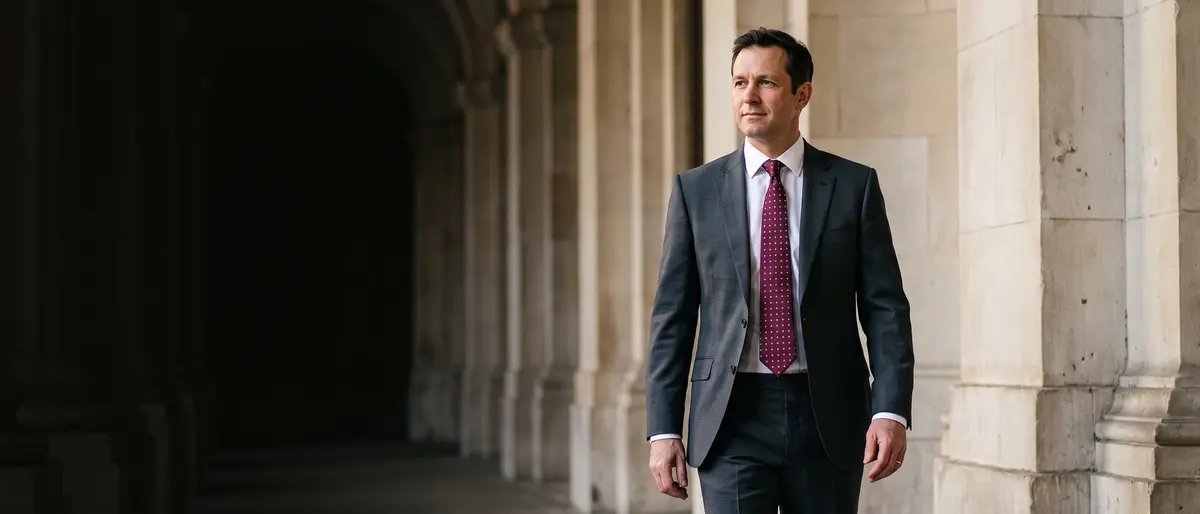 5 min readBusiness dress codes explainedFour phrases, one question underneath them all: is a tie expected? How to read each code, and what to knot when it is.
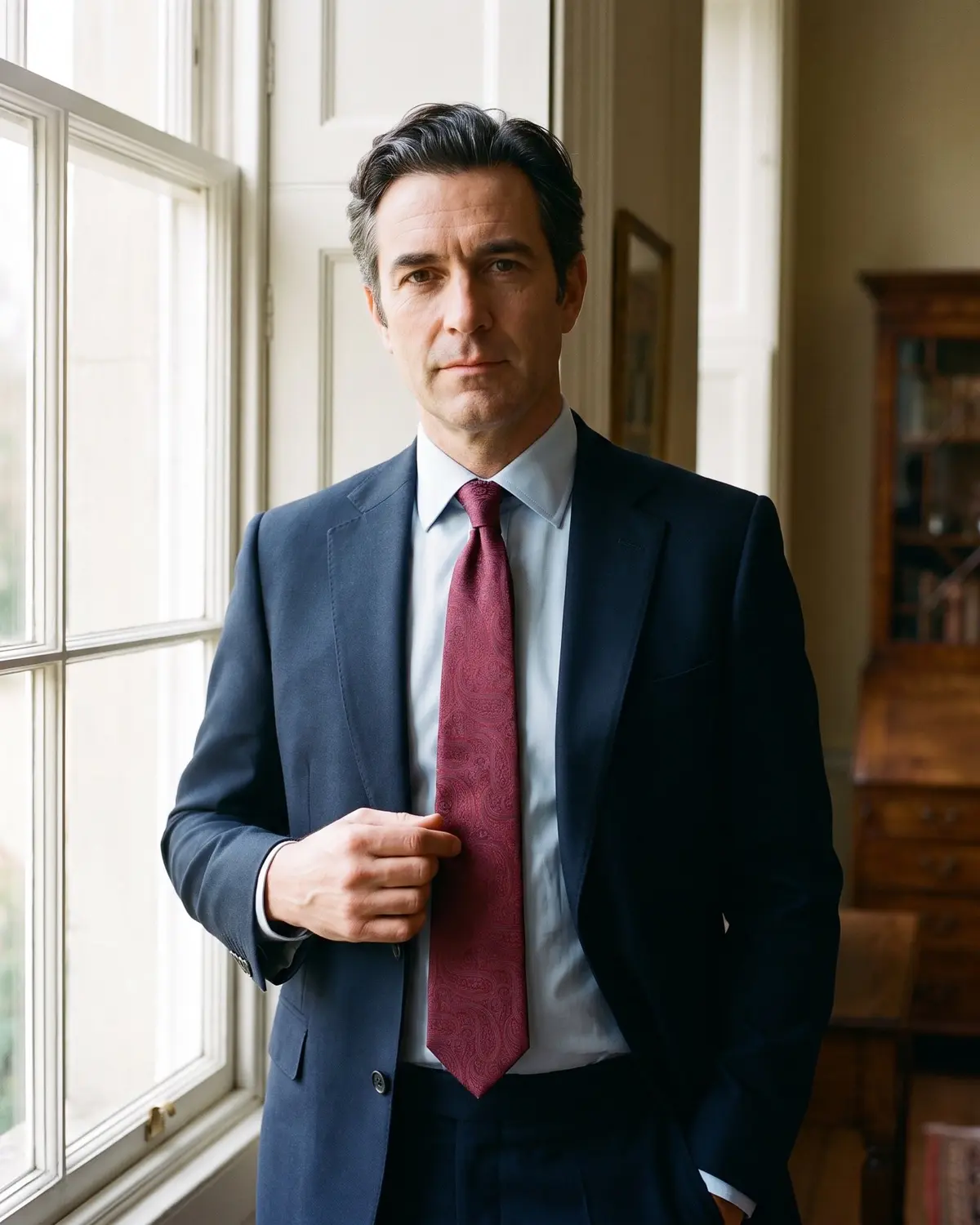 5 min readHow to match a tie to a suit and shirtThree rules carry most men through: the tie darker than the shirt, a colour the suit doesn’t already have, and one bold pattern at a time.
 5 min readHow to tie a half Windsor knotFuller than a four-in-hand and less work than a Windsor. The half Windsor is the knot for a semi-spread collar and a medium silk tie.